Bring Groovy Vibes to Your Handmade Creations with Bluetick
I was hunched over my desk, tracing the curve of a candle label mockup, when I first saw Bluetick in action. It felt like discovering an old vinyl record — full of character and charm. This display font has a playful nostalgia that immediately made me think of summer nights, retro posters, and hand-painted signs. Bluetick isn’t just a font; it’s a mood, a vibe, and a creative spark waiting to be applied to your handmade projects.
A Font That Feels Like a Memory
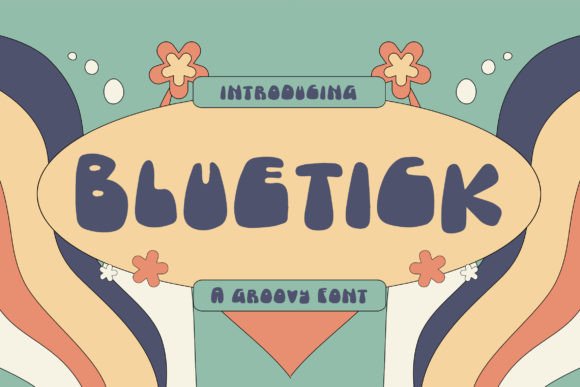
Bluetick is a groovy display font with a whimsical edge. Its rounded edges and slightly slanted strokes give it a vintage feel, while the boldness of its design makes it perfect for catching attention. It’s not too ornate, nor too simple — just right for adding that special touch to labels, cards, or packaging without overwhelming the design.
When I tested it on a set of birthday invitation mockups, I noticed how it brought a sense of fun and familiarity to the text. It worked beautifully with both modern and rustic aesthetics, making it versatile for a variety of handmade products.
Real-World Use: From Labels to Wall Art
One of the first things I tried was using Bluetick for candle labels. The font's nostalgic flair paired perfectly with natural elements like wood grain and earthy tones. It added a subtle elegance to what could have been a very basic label. I also used it on small stickers for my boutique tags, where its readability on tiny surfaces was impressive.
For greeting cards, I paired Bluetick with a clean sans serif font to create contrast. The combination gave the cards a balanced look — playful yet professional. When designing printable wall art, I found that Bluetick stood out against neutral backgrounds, making the phrases feel more intentional and meaningful.
It even worked well for wedding invitations and welcome boards. The font’s warm personality helped convey the joy and celebration of the occasion, especially when combined with floral accents or handwritten notes.
Choosing the Right Place for Bluetick
Bluetick shines best on short phrases, names, titles, and decorative wording. It’s ideal for display use rather than long paragraphs of text. Whether you're labeling a jar of homemade jam, creating a seasonal tag for holiday items, or designing a tote bag, this font adds a unique visual identity to your product.
However, it’s important to consider readability, especially when working with cutting machines or small stickers. Bluetick’s curves are smooth but should be tested at different sizes to ensure they remain legible on physical merchandise or printed cards.
Font Pairing and Design Tips
Pairing Bluetick with other fonts can elevate your designs. For a balanced look, try combining it with a clean sans serif font for body text or a simple serif font for headings. If you’re going for a more artistic feel, a script font or handwritten style can complement its playful nature.
When designing for digital downloads or printables, make sure to check the included styles, alternates, ligatures, swashes, weights, file formats, multilingual support, and commercial font licensing. These details are crucial when selling physical products, templates, SVG-style designs, or digital downloads.
Crafting with Confidence
Using Bluetick has become a staple in my creative process. Whether I’m preparing mockups for seasonal products, testing sticker sheets for my shop, or designing packaging for a new line of mugs, this font brings a consistent and recognizable aesthetic to my work. It helps build brand identity and customer recognition, which is essential for any handmade seller or printable creator.
The emotional appeal of Bluetick is undeniable. It invites connection, whether through a heartfelt note on a greeting card or a catchy sign for a boutique. It adds a layer of intentionality to every project, helping to engage audiences in a more meaningful way.
As a maker, I’ve learned that the right font can transform a simple idea into something memorable. Bluetick does exactly that — it turns words into experiences, and labels into stories. It’s a tool that doesn’t just decorate, but communicates, connects, and creates.